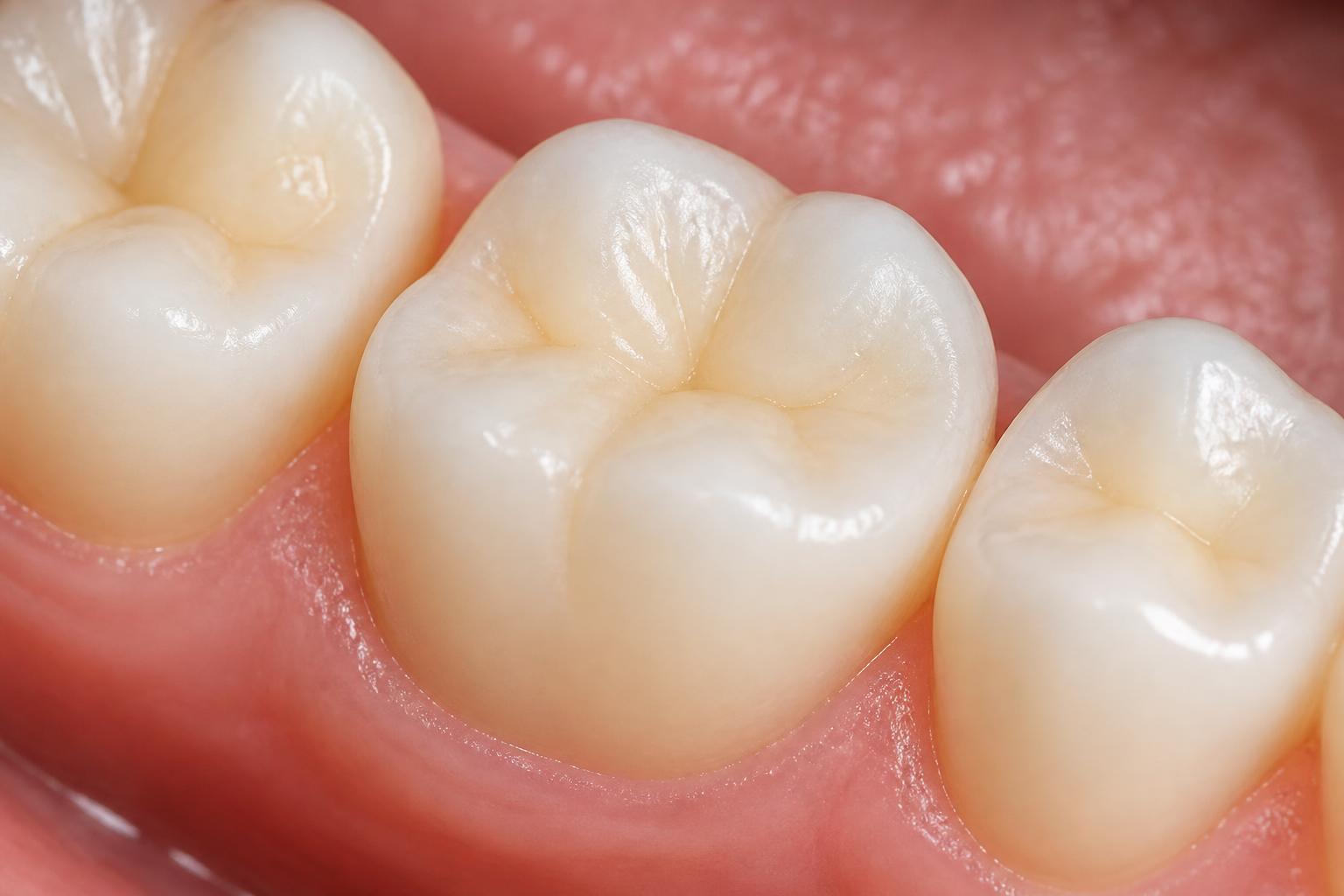
A tooth that hurts when you drink something cold, bite on one side, or chew a sweet snack is trying to tell you something. If the discomfort keeps returning, a cavity or a worn filling may be the reason, and waiting often means the damage spreads deeper into the tooth.
At Biodent Clinic, we treat Obturatii (plombe) for patients who want the pain addressed before it becomes a larger problem. If you are looking for care at 040039 București, Romania, we can assess the tooth, remove the affected area, and restore it with a filling that supports daily use and comfort.
Tooth decay does not always start with strong pain. It may begin with sensitivity, a rough edge, or food catching in one spot. Some patients notice a dark area on a tooth, while others only feel discomfort when biting. A filling is often recommended when the tooth still has enough structure to be preserved without more extensive treatment.
At Biodent Clinic, we look at the shape of the tooth, the depth of the cavity, and how the tooth meets the opposite teeth before planning the restoration. The goal is to remove the damaged part and rebuild the area in a way that feels natural during everyday chewing.
Most filling visits follow a clear sequence so you know what is happening at each step. First, the tooth is examined and the decayed or weakened area is identified. Then the affected material is removed, the tooth is cleaned, and the restoration is placed and shaped to match the bite.
For many patients, the most reassuring part is that the process is practical and focused. We do not overcomplicate the visit. We explain what the tooth needs, how much of the tooth is involved, and what the restoration is meant to accomplish.
Obturatii (plombe) are used for more than just fresh cavities. They can also help after minor tooth fractures, worn edges, or old restorations that no longer seal the tooth well. In many cases, a filling is the simplest way to stop a small problem from becoming one that affects the nerve or requires more complex treatment later.
At Biodent Clinic, we focus on preserving as much natural tooth structure as possible. That matters because every layer kept intact helps maintain the tooth’s strength and reduces unnecessary removal of healthy enamel or dentin.
A filling should not feel like a foreign object that your tongue notices all day. It should fit your bite, allow normal chewing, and blend into the tooth’s shape as closely as possible. That is why careful finishing matters just as much as removal of decay.
If a filling is left too high, the tooth may feel sore when biting. If it is too flat, food can collect around it or the tooth may feel awkward. We pay attention to both the surface and the contact points so the restoration works with the rest of your mouth.
Many people think of a filling as something hidden, but the material and placement still matter for appearance. The chosen restoration should match the tooth’s role, the amount of tooth structure remaining, and the area of the mouth being treated. Front teeth and back teeth may need different shaping approaches because they handle different forces and are seen differently when you smile.
At Biodent Clinic, we select the approach based on the tooth itself rather than using a one-size-fits-all method. That helps the restoration sit comfortably and look appropriate for the mouth it is placed in.
A small cavity can stay manageable for a long time, but it rarely improves on its own. Once decay moves past the outer layer of the tooth, it can progress toward the inner tissue and create stronger pain, greater sensitivity, or a need for more involved treatment. Acting early usually means a simpler appointment and less tooth structure lost.
For patients at 040039 București, Romania, this is especially useful when a tooth starts showing repeated symptoms but still looks salvageable. A filling can often stop the cycle of discomfort and let you return to normal meals without guarding one side of your mouth.
When you come to Biodent Clinic for Obturatii (plombe), we focus on the actual condition of the tooth, not just the visible spot. Our approach is calm, practical, and centered on restoring the tooth so it can handle daily use again. We also explain what was found, what was removed, and what to watch for afterward, because clear information helps patients make better decisions about ongoing oral care.
If multiple teeth need attention, we can discuss the order of care and help you understand which restorations should be addressed first. That matters when one tooth is painful and another one has a smaller cavity that has not started causing symptoms yet.
After treatment, the tooth may feel slightly different for a short period, especially if it was sensitive before the visit. Mild tenderness can settle as the tooth adjusts. If the filling was placed on a chewing surface, it is smart to pay attention when you eat for the first few hours and notice whether the bite feels even.
Good home care also helps protect the treated tooth and the teeth around it. Daily brushing, cleaning between teeth, and regular dental checks all reduce the chance of new decay forming near the restored area.
If you have pain when chewing, lingering sensitivity to cold or sweets, or a visible cavity, the tooth should be examined. Some cavities can be found before they hurt, which is another reason regular checks matter.
Yes, when the damage is limited and the tooth still has enough structure. A filling can rebuild smaller chips, worn areas, and cavities that have not spread too far.
Usually, the tooth feels more comfortable once the decay is removed and the surface is adjusted. There may be brief sensitivity while the area settles, especially if the tooth was irritated before.
Interdental decay can be restored as long as enough tooth structure remains. These areas are often discovered during an exam or when food starts catching repeatedly.
That depends on the tooth, the size of the restoration, and how much pressure it receives during chewing. Good oral hygiene and regular monitoring help the filling stay serviceable longer.
If an old restoration feels sharp, loose, or catches food, it should be checked. An uneven or worn filling may let decay return around its edges.
If a tooth has started to ache, react to temperature, or trap food, it is worth having it checked before the problem grows. Obturatii (plombe) can often restore the tooth at an early stage and help you avoid a more complex path later.
To arrange care at Biodent Clinic, call +40752498601 or visit us at Splaiul Unirii 108, 040039 București, Romania. We welcome patients who want clear answers and practical treatment for cavities, worn fillings, and tooth damage.
Start Your Visit
Tell us what you need help with, whether it is a routine checkup, cosmetic improvement, or treatment for a dental problem. Our team can guide you toward the right next step.