Bleeding gums when you brush, tenderness while eating, bad breath that keeps coming back, or teeth that feel slightly loose are signs you should not ignore. These changes often start quietly, then become harder to manage if the gum tissue and supporting bone are left untreated.
At Biodent Clinic, we evaluate the condition of your gums, identify what is driving the problem, and plan parodontologie treatment for patients at 040039 București, Romania who need a clear next step. Whether your concern is early inflammation or more advanced gum disease, we focus on stabilizing the mouth and protecting the teeth you still have.
Periodontal problems do not always hurt at first. That is one reason many people wait until the situation becomes more visible. By the time the gums bleed often or pull away from the teeth, the underlying condition may already need active treatment.
Common signs that point toward parodontologie care include:
If you notice one or more of these changes, it is worth checking the gums sooner rather than later. The aim is to reduce inflammation, remove the irritants affecting the tissue, and protect the structures that hold the teeth in place.
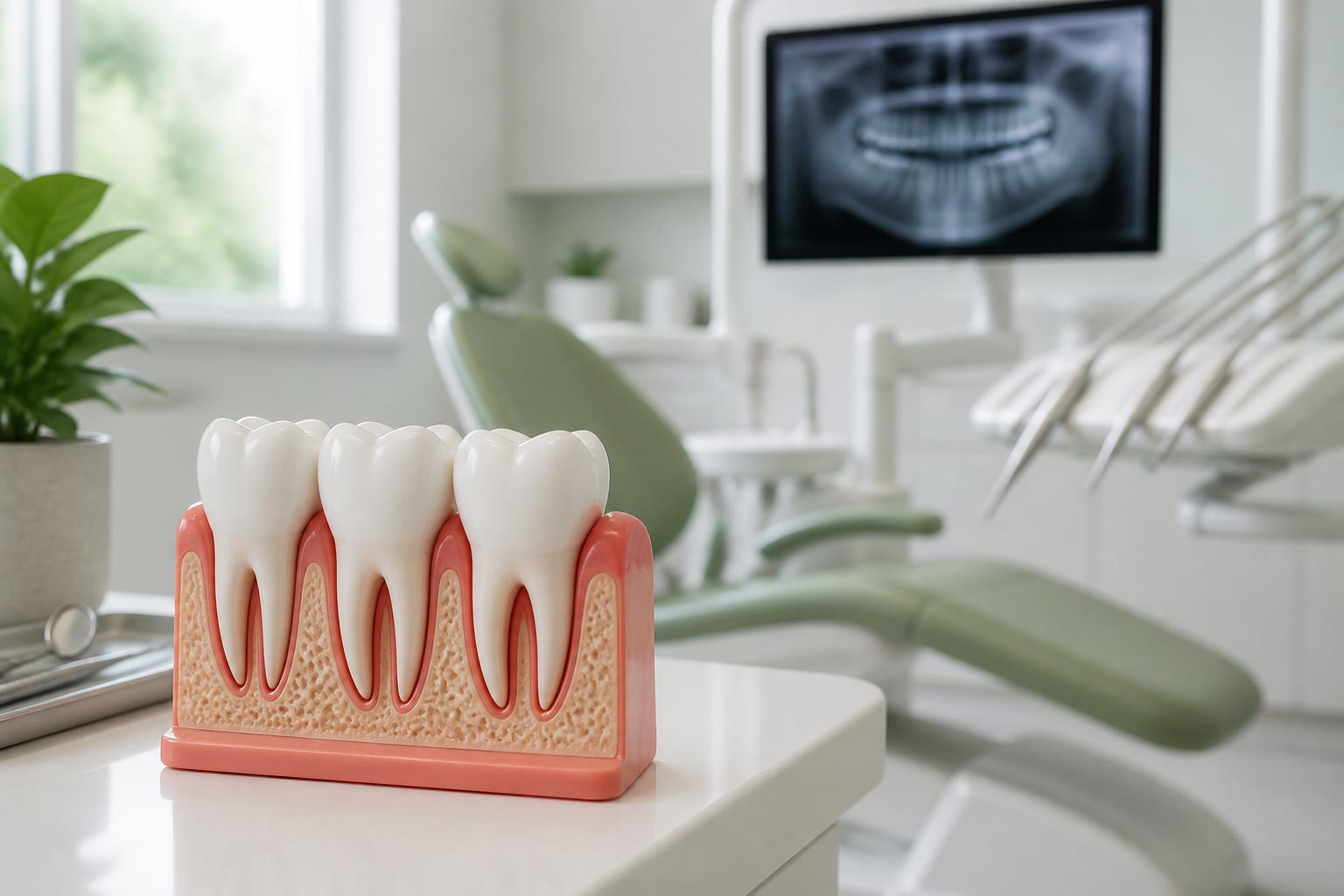
Parodontologie focuses on the tissues around the teeth, especially the gums and supporting bone. When those structures are inflamed or infected, the mouth can become more sensitive, less stable, and harder to keep clean at home.
BioDent Clinic treats periodontal concerns such as early gum inflammation and more advanced forms of gum disease. The goal is not only to calm the visible symptoms, but also to address the cause behind them so the condition is less likely to keep returning in the same way.
At an early stage, the gums may bleed, look puffy, or feel irritated during brushing. This stage often responds better when addressed quickly, before deeper structures are involved.
When the condition progresses, pockets can form around the teeth, gum tissue may recede, and bone support can begin to weaken. That is when teeth may feel different when biting or chewing, and long-term stability becomes a priority.
The first visit is about understanding what is happening and how far it has progressed. We do not treat gum problems as isolated symptoms. Instead, we look at the relationship between the gums, plaque build-up, bleeding points, tooth stability, and any areas that are harder for you to clean.
Depending on the findings, the assessment may include checking for gum pockets, evaluating inflammation, and reviewing areas where plaque and tartar have gathered. If you have pain, sensitivity, or loosening, those details help shape the treatment plan.
We ask what you have noticed at home, such as bleeding, swelling, bad breath, or recession, because those details often show how active the condition is.
The gums are examined for redness, tenderness, recession, and pocketing around the teeth.
We identify where deposits are sitting under or along the gumline so treatment can target the areas that matter most.
Once the condition is mapped out, we explain the next steps clearly so you know what will be treated first and why.
Periodontal treatment is usually step-by-step. The exact plan depends on how much inflammation is present and how deeply the gums have been affected. In many cases, the first priority is removing the causes of irritation from around and below the gumline.
At Biodent Clinic, we use a careful approach that fits the needs of the individual case. Some patients need focused cleaning and hygiene correction. Others require more involved treatment because the tissues around the teeth have already changed.
When deposits accumulate under the gumline, they can keep the tissue inflamed. Removing those deposits gives the gums a chance to settle and makes home care more effective.
Once the irritants are reduced, the gums can start responding better. At that point, we may recommend a schedule for reassessment so the mouth can be monitored over time.
If teeth have begun to feel less stable, periodontal care is aimed at helping preserve them for as long as possible. That may also influence how other services, such as prosthetic work or restorative care, are planned later.
What you do between visits matters. Even a well-planned periodontal treatment can be undermined if plaque builds up again around the same areas. Good home care does not need to be complicated, but it does need to be consistent and adapted to the condition of the gums.
Useful habits often include:
If the gums are sensitive, people sometimes brush less carefully to avoid discomfort. That can make things worse. We can show you how to clean the area without aggravating it unnecessarily.
Not every patient comes to parodontologie at the same stage. Some arrive after months of mild bleeding. Others come because a tooth has become mobile, the gums have receded, or the mouth no longer feels as stable as it once did.
In more advanced cases, treatment may need to be more involved and may be planned alongside other dental services if there is also missing structure, wear, or prosthetic work to consider. The priority remains the same: reduce active disease, slow further damage, and help preserve oral support.
If the gums are shrinking away from the teeth, if food traps are becoming more noticeable, or if a tooth feels different when biting, those are reasons to have the gums checked without delay. These changes do not usually reverse on their own.
Even after the initial treatment phase, periodontal care often continues with monitoring. That follow-up helps us see whether the gums are settling, whether cleaning is staying effective, and whether any area needs attention again.
People often look for parodontologie when they want a clear, practical explanation rather than a vague answer. At Biodent Clinic, patients at 040039 București, Romania receive a focused assessment and a treatment plan based on the actual state of the gums, not just on the symptoms that are visible that day.
The approach is calm, personal, and centered on long-term oral comfort. If your gum health has been bothering you for a while, or if you are noticing changes that were not there before, this is the right service to start with.
Bleeding is often linked to inflammation caused by plaque and tartar near the gumline. It can also appear when the gums are irritated by brushing technique, but repeated bleeding should be checked rather than dismissed.
Yes. Many periodontal problems begin without strong pain, which is why changes like swelling, bleeding, bad breath, or recession are important warning signs.
Gum recession means the gum tissue has pulled back from the tooth surface. This can make teeth look longer and can expose sensitive areas that were previously covered.
Not always. We also look at how the teeth, bite, cleaning habits, and any existing dental work relate to the gum condition, because those factors can affect the result.
If your gums bleed often, swell, recede, or leave you with persistent bad breath, a periodontal assessment is a good next step. Loose-feeling teeth are also a strong reason to come in.
Yes. Healthy gum support is important before planning restorative or prosthetic work, and periodontal treatment may be used to stabilize the mouth before those treatments move forward.
If you are noticing bleeding gums, sensitivity, or signs that your gum tissue is changing, parodontologie can help you understand what is happening and what should be done next. Biodent Clinic is located at Splaiul Unirii 108, 040039 București, Romania, and appointments can be arranged by phone at +40752498601.
Do not wait for gum changes to become harder to manage. A timely visit gives you a better chance to protect the teeth that still feel secure and address the problem before it advances further.

Start Your Visit
Tell us what you need help with, whether it is a routine checkup, cosmetic improvement, or treatment for a dental problem. Our team can guide you toward the right next step.