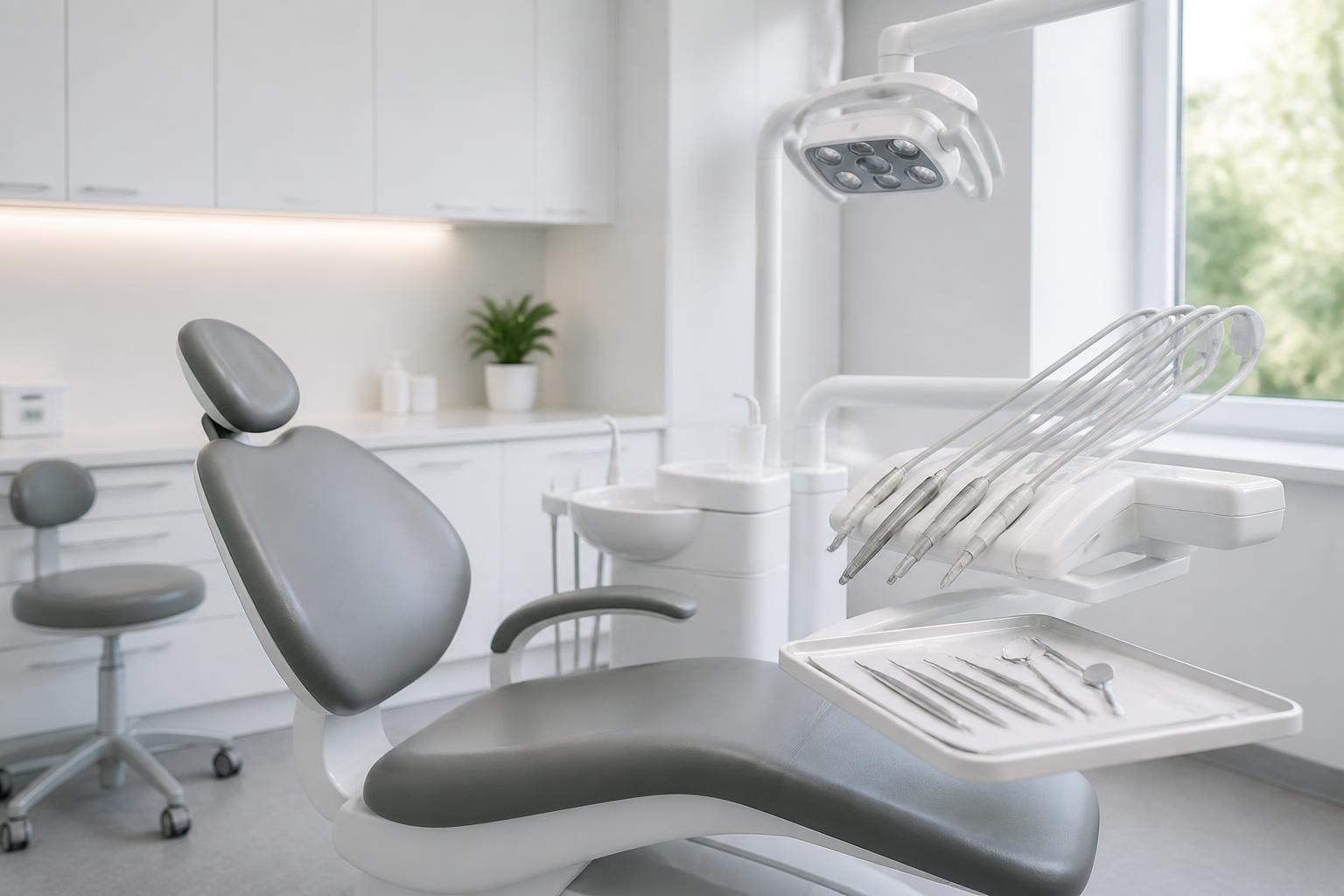
Gums that bleed when you brush, a rough feeling on the teeth, and breath that fades too quickly are all signs that routine care has started to slip. If you are noticing plaque buildup or sensitivity around the gumline, a prophylaxis visit can help reset things before small concerns become harder to manage.
At Biodent Clinic, the focus is on careful preventive care for patients at 040039 București, Romania. We look at plaque, tartar, gum health, and the habits that shape your oral hygiene, then recommend the right prophylaxis steps for your mouth rather than a one-size-fits-all approach.
Profilaxie is the preventive side of dentistry. It is not only about making teeth look cleaner for a short time. It is about removing deposits that brushing at home cannot reach, checking the condition of the gums, and helping reduce the risks that come with plaque and tartar left in place for too long.
At Biodent Clinic, prophylaxis may include a combination of cleaning, polishing, and guidance on daily care. The exact sequence depends on what we see during the visit and how much buildup is present around the teeth and along the gumline.
Some patients wait until discomfort becomes obvious, but prophylaxis is often most useful before pain starts. If the gums are irritated or your teeth feel less smooth than usual, it is worth scheduling a visit and having the mouth evaluated closely.
Blood on the toothbrush or floss often means the gum margin is irritated. That is a common reason to book a cleaning and gum check.
Yellow or hardened deposits near the back teeth, behind the lower front teeth, or along the gumline usually need professional removal.
If breath freshness does not last, trapped plaque and food residue may be part of the reason.
A rough or fuzzy feeling after brushing can suggest plaque has started collecting again.
When the margin around a tooth feels tender, a preventive exam can help identify whether buildup or irritation is involved.
Profilaxie visits at BioDent Clinic are planned around the condition of your mouth, not a fixed routine that treats everyone the same. Some patients need lighter cleaning and polishing, while others need a more detailed removal of tartar around several areas.
We begin by checking the gums, the amount of plaque and tartar, and any spots that appear more sensitive or inflamed.
Hard buildup is removed from the visible surfaces of the teeth and around the gumline, where brushing often misses.
Teeth are polished to help smooth the surface and reduce the feel of lingering deposits after the cleaning.
We explain how to keep the results longer with better brushing, cleaning between teeth, and attention to problem areas.
For some patients, this is also a chance to notice small issues early, such as a tooth that traps food more than the others or a gum area that needs closer monitoring during future visits.
Healthy gums are a major part of oral comfort. When plaque sits at the gumline, the tissue can become irritated, swollen, or prone to bleeding. Over time, that can lead to more serious periodontal concerns if the deposits are not addressed.
Preventive care is especially useful if you have noticed tenderness when brushing or flossing. A cleaning can reduce irritation, and the follow-up advice can help you keep the gums calmer between visits.
Professional prophylaxis works best when daily habits support it. The goal is not perfection. The goal is to keep plaque from staying on the teeth long enough to harden and irritate the gums.
Good at-home care is about consistency, not intensity. Brushing too hard can make the gums feel worse, while careful cleaning done regularly gives much better results over time.
Profilaxie is useful for almost anyone with natural teeth or dental work, but some patients gain extra value from regular preventive visits. If you have had repeated plaque buildup, gum irritation, or cosmetic staining, routine cleaning can make day-to-day care easier.
Patients with crowns, bridges, implants, braces, or other dental restorations can also benefit from careful preventive cleaning, because certain areas can trap deposits and become harder to maintain at home.
When you come to Biodent Clinic for profilaxie at 040039 București, Romania, the visit is shaped around your current oral condition and the concerns you want addressed. We keep the process calm and clear so you know what is being removed, what the gums need, and what to do next at home.
Our approach is practical: identify the areas where plaque and tartar are most active, treat those spots carefully, and give you guidance that fits your daily routine. If there are signs that another service is needed, such as endodontic care, parodontology, or restorative treatment, you will be advised accordingly.
It depends on how quickly plaque and tartar build up, as well as the condition of your gums. Some patients benefit from more frequent preventive visits, while others keep up well with standard periodic care.
If bleeding is linked to plaque and gum irritation, a professional cleaning can be an important first step. We also review your brushing and cleaning habits so you can reduce irritation at home.
Polishing is often part of the visit because it helps smooth the tooth surface after deposits are removed and can improve the feel and appearance of the teeth.
Yes. Patients with orthodontic appliances often need careful cleaning because brackets and wires create extra places for plaque to collect.
Brush and clean between your teeth as usual before you come, and be ready to share any concerns about bleeding, sensitivity, bad breath, or areas that feel rough.
Many patients notice cleaner tooth surfaces and fresher breath right away. If your gums were irritated, they may need a little time to settle, and we can show you how to support that at home.
If you are ready to arrange a prophylaxis visit, call +40752498601 to speak with Biodent Clinic and plan your appointment at Splaiul Unirii 108, 040039 București, Romania.
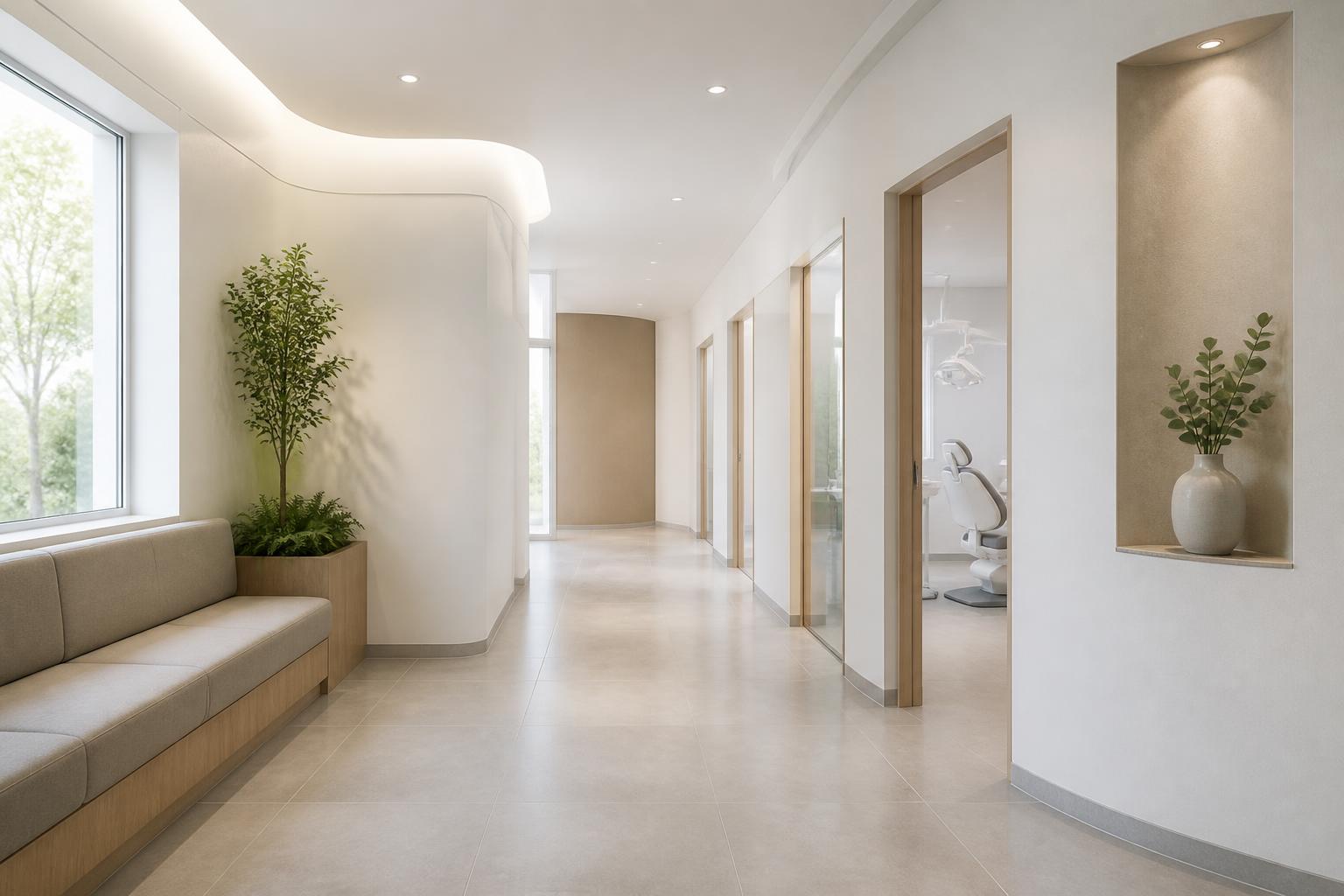
Start Your Visit
Tell us what you need help with, whether it is a routine checkup, cosmetic improvement, or treatment for a dental problem. Our team can guide you toward the right next step.